What are the best natural remedies for itchy scalp?

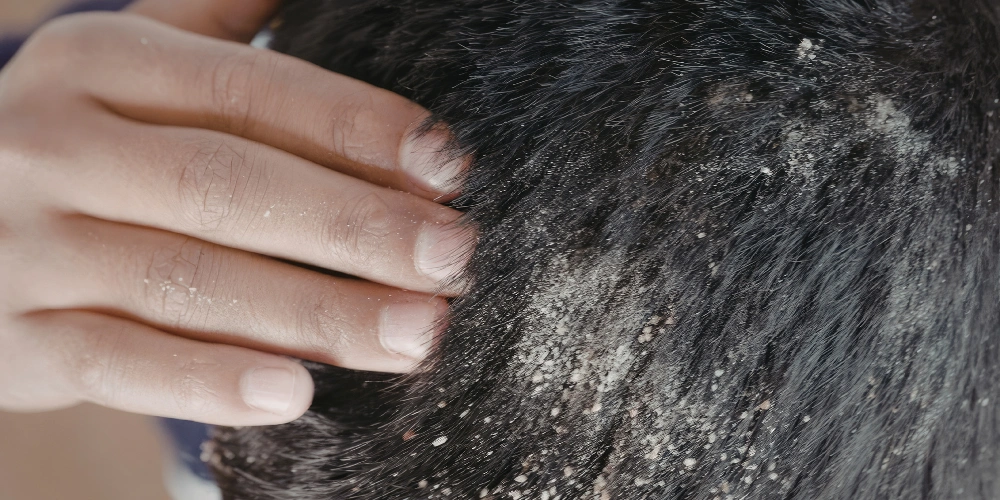
Dealing with an itchy scalp can be uncomfortable and frustrating. Many people in the United States experience dryness, flakiness, or irritation due to environmental factors, stress, or hair products. While there are many commercial solutions, natural remedies are often safer and gentler for your scalp. They can soothe irritation, reduce inflammation, and help maintain healthy hair growth. Using ingredients from your kitchen or local stores can provide relief without harsh chemicals. Regular care and attention can prevent scalp issues from becoming severe. Understanding what causes an itchy scalp is important for effective treatment. Lifestyle habits like diet, hydration, and hair hygiene also play a big role. By using natural remedies, you can enjoy healthier hair and a comfortable scalp. Let’s explore some of the most effective options.
What are the best natural remedies for itchy scalp?
An itchy scalp is usually caused by dryness, dandruff, or mild irritation. Natural remedies can calm inflammation and restore moisture. These remedies are simple, affordable, and easy to incorporate into your routine.
Coconut Oil
Coconut oil is rich in fatty acids that nourish and moisturize the scalp. It has antifungal properties that help reduce dandruff and itchiness. Warm a small amount of coconut oil and massage it gently into your scalp. Leave it on for 30–60 minutes, then wash with a mild shampoo. Repeat this 2–3 times a week for best results. Coconut oil can also strengthen hair strands, reducing breakage and dryness. Its natural scent is gentle and soothing. Avoid using too much, as it can make hair greasy. People with very oily scalp may prefer a lighter oil. Combine with a few drops of tea tree oil for enhanced antifungal effects.
Tea Tree Oil
Tea tree oil is a natural antiseptic known for fighting scalp infections and dandruff. Mix 3–5 drops with a carrier oil like coconut or olive oil before applying. Massage gently into your scalp and leave for 15–30 minutes. Wash thoroughly with a gentle shampoo. Using tea tree oil regularly can reduce flaking and itching. Its antimicrobial properties help prevent bacterial growth. Avoid applying undiluted tea tree oil directly, as it can cause irritation. For best results, use 2–3 times a week. People with sensitive skin should do a patch test first. It works well for both oily and dry scalp conditions. You can also add it to your shampoo for daily use.
Aloe Vera
Aloe vera gel soothes inflammation and adds moisture to dry scalps. Extract fresh gel from the leaf and apply directly to your scalp. Leave it on for 20–30 minutes before washing. Aloe vera contains enzymes that reduce irritation and itchiness. It can also help balance scalp pH and promote hair growth. Use it 2–3 times per week for relief. Aloe vera is gentle and safe for all hair types. It also adds a natural shine to hair. For added effect, mix with a few drops of essential oils like lavender. Regular use can prevent future dryness. Aloe vera can be applied overnight for intense hydration.
Apple Cider Vinegar
Apple cider vinegar helps restore the scalp’s natural acidity and fight bacteria or fungus. Dilute 2 tablespoons in a cup of water and apply to your scalp with a cotton ball. Leave it on for 5–10 minutes, then rinse with water. This remedy reduces itching, flakiness, and odor. Use once or twice a week for best results. Apple cider vinegar can remove product buildup effectively. Avoid using undiluted vinegar, as it can burn the scalp. It works well for both oily and dry scalp types. You can mix with aloe vera for added soothing benefits. Regular use helps maintain a healthy scalp environment.
Olive Oil
Olive oil deeply moisturizes dry, itchy scalp. Warm a few tablespoons and massage gently into your scalp. Cover with a warm towel and leave for 30 minutes before washing. Olive oil softens flakes and improves scalp health. Use once or twice a week for best results. Its antioxidant properties promote hair strength and shine. Olive oil is gentle for sensitive scalp types. It also helps reduce inflammation. Combine with a few drops of rosemary oil to boost circulation. Avoid excessive use, as it can weigh hair down. Consistent use keeps hair soft and manageable.
Frequently Asked Questions
Many people wonder how to safely manage an itchy scalp at home. These FAQs address the most common concerns.
Q1: How often should I use natural oils on my scalp?
Use oils like coconut or olive oil 1–3 times per week. Overusing oils can make hair greasy and attract dirt. Start with a small amount and adjust based on your scalp type. Regular use helps maintain moisture and reduce itchiness.
Q2: Can diet affect scalp itchiness?
Yes, diet plays a role. Lack of hydration, vitamins, and omega-3 fatty acids can lead to dry scalp and irritation. Include leafy greens, nuts, fish, and water-rich foods. A balanced diet supports scalp health and hair growth naturally.
Conclusion
An itchy scalp can be uncomfortable, but natural remedies offer effective relief. Coconut oil, tea tree oil, aloe vera, apple cider vinegar, and olive oil all soothe irritation and restore moisture. Regular use can prevent future dryness and flakiness. Maintaining proper hair hygiene and a balanced diet supports overall scalp health. Avoid harsh chemicals and hot styling tools that worsen itchiness. Incorporate natural remedies gradually and observe what works best for your scalp. With patience and consistency, you can enjoy a healthy, itch-free scalp and stronger, shinier hair. Simple steps, like gentle massage and hydration, make a big difference over time.