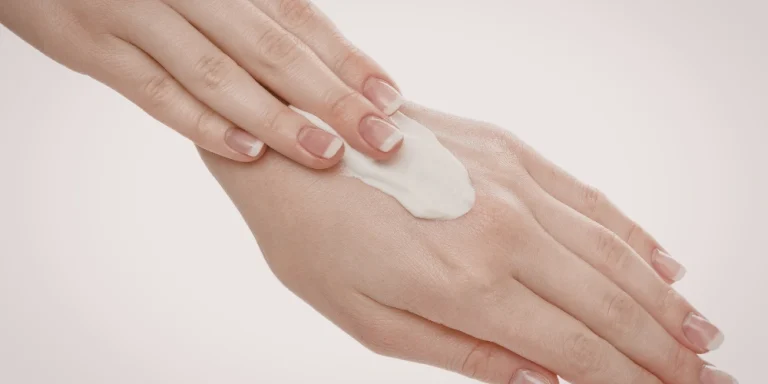
What are the natural ways to prevent acne marks?

Acne marks can be frustrating, leaving dark spots and uneven skin even after pimples heal. Many people in the United States face this issue, affecting confidence and self-esteem. While commercial treatments are available, natural remedies offer gentle, affordable, and effective solutions. These remedies focus on nourishing the skin, reducing inflammation, and speeding up the healing process. They work without harsh chemicals, making them suitable for sensitive skin. Consistency is key when using natural methods. Simple changes in diet, lifestyle, and skincare can have a lasting impact. Understanding how to prevent acne marks naturally helps maintain healthy, glowing skin. In this guide, we explore practical steps and remedies anyone can use at home. By following these tips, you can minimize acne marks and enjoy smoother skin over time.
What are the natural ways to prevent acne marks?
Preventing acne marks naturally involves caring for your skin while reducing inflammation and promoting healing. A few simple habits and remedies can make a significant difference. Using natural ingredients and adjusting your daily routine helps prevent dark spots from forming. Here are some practical ways to keep your skin clear and even-toned.
Keep Your Skin Clean
Cleaning your skin gently twice a day prevents excess oil and dirt from clogging pores. Use mild, natural cleansers that don’t strip moisture. Avoid harsh soaps, as they can irritate the skin and worsen acne marks. Regular cleansing reduces bacteria, promoting faster healing of pimples. Make sure to remove makeup before sleeping to prevent clogged pores. Exfoliating once or twice a week with natural scrubs can also remove dead skin cells. Over-exfoliating, however, can damage the skin, so moderation is key. Rinse with lukewarm water to maintain natural oils. Keeping your hands away from your face prevents bacteria transfer. Drinking water also supports skin hydration and toxin removal.
Use Aloe Vera Gel
Aloe vera is well-known for its soothing and healing properties. Applying fresh aloe vera gel directly on acne marks can lighten dark spots over time. It contains compounds that reduce inflammation and promote skin repair. Aloe vera also keeps the skin hydrated, preventing dryness that can worsen marks. Use it daily, especially at night, for best results. It can calm redness and prevent new acne formation. Aloe vera is safe for all skin types and can be combined with other natural ingredients. Avoid aloe products with added chemicals. Regular use strengthens skin texture and smoothness. Pat the gel gently instead of rubbing to maximize absorption. Natural aloe helps the skin recover without causing irritation.
Apply Honey
Honey is a natural antibacterial and antioxidant that can help prevent acne marks. Applying raw honey on affected areas promotes healing and prevents scarring. Honey keeps the skin moisturized and improves overall complexion. Its gentle properties make it suitable for sensitive skin. Leave honey on the skin for 15-20 minutes before washing it off with lukewarm water. Mixing honey with turmeric enhances its anti-inflammatory benefits. Regular use helps lighten pigmentation and reduce redness. Honey can also be used in face masks with oatmeal or yogurt. Avoid commercial honey with added sugar. Its natural enzymes support cell regeneration. Honey can be a daily addition to your skincare routine for acne-prone skin.
Use Lemon Juice Carefully
Lemon juice contains natural bleaching properties that can help fade acne marks. It is rich in vitamin C, which promotes collagen production and skin repair. Apply diluted lemon juice to acne marks for a few minutes, then rinse off. Avoid leaving lemon juice on the skin for too long to prevent irritation. Always do a patch test first, especially for sensitive skin. Lemon juice should not be used on open wounds or active pimples. Combining lemon juice with honey or aloe can reduce the risk of irritation. Sun exposure after using lemon juice should be avoided to prevent darkening. Regular, gentle application helps lighten dark spots naturally. Limit use to 2-3 times a week for safety. Proper use helps achieve brighter, even-toned skin gradually.
Maintain a Healthy Diet
Eating a balanced diet supports skin health and prevents acne marks. Foods rich in vitamins, minerals, and antioxidants reduce inflammation. Include fruits like berries and oranges, and vegetables like spinach and carrots. Omega-3 fatty acids from fish or flaxseed help skin repair. Avoid excessive sugar and processed foods that trigger acne breakouts. Drink plenty of water to flush out toxins. Healthy fats from nuts and avocados maintain skin elasticity. Probiotics in yogurt support gut health, which reflects on the skin. Consistent healthy eating improves overall skin tone. A proper diet also boosts the immune system for faster healing. Small dietary changes can make a big difference over time.
Frequently Asked Questions
Preventing acne marks naturally can raise common questions about effectiveness and safety. Here are answers to help you understand natural care better.
Q1: Can natural remedies completely remove acne marks?
Natural remedies can significantly reduce the appearance of acne marks but may not remove them overnight. Consistent use over weeks or months is essential. Combining remedies with proper skincare and sun protection improves results. Deep scars may require professional treatments.
Q2: How often should I use natural treatments for acne marks?
Most natural treatments can be applied daily or several times a week. Aloe vera and honey can be used daily, while lemon juice should be limited to 2-3 times per week. Always monitor skin reaction and adjust frequency accordingly. Consistency and gentle care are more effective than aggressive treatment.
Conclusion
Preventing acne marks naturally focuses on gentle, consistent care. Cleanse your skin regularly with mild products to avoid clogged pores. Use aloe vera and honey to soothe, heal, and lighten marks. Apply lemon juice carefully for its natural bleaching effect, and combine it with other gentle ingredients if needed. Eat a healthy diet rich in vitamins and antioxidants to support skin repair from within. Stay hydrated and avoid touching your face to reduce bacteria transfer. Protect your skin from excessive sun exposure to prevent darkening of marks. Following these steps consistently will help maintain clear, even-toned, and glowing skin naturally.